Biggest Kodak Charmera Buying Mistakes (And How to Avoid Them)
The Kodak Charmera has attracted attention for a simple reason: it promises nostalgia in an ultra-small, digital, keychain-friendly package. For shoppers who miss the unpredictability of disposable cameras or want a playful gadget instead of another polished phone camera experience, it can seem like an easy purchase. But that same charm is exactly what leads many buyers to make the wrong decision.
The biggest Kodak Charmera buying mistakes usually come down to mismatched expectations. Some buyers assume it will perform like a compact digital camera. Others focus only on the novelty and ignore practical concerns like storage, usability, battery life, and whether lo-fi image quality is actually enjoyable beyond the first few days. In reality, the Charmera is best understood as a toy camera with a very specific aesthetic purpose, not a general-purpose everyday camera.
This article breaks down what the Kodak Charmera does well, where it falls short, and how buyers can avoid the most common mistakes before spending money on it. For shoppers considering it as a gift, collectible, travel accessory, or creative camera, understanding these trade-offs matters far more than the marketing appeal.
What the Kodak Charmera Actually Is
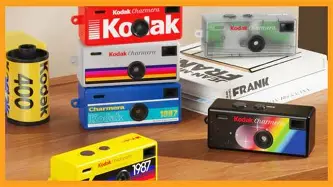
The Kodak Charmera is a tiny digital keychain camera built around retro styling and lo-fi output. It draws inspiration from old disposable-camera culture, but unlike true film disposables, it uses digital capture, rechargeable power, and removable microSD storage. That combination is part of its appeal: it delivers a deliberately imperfect visual style without requiring film development or ongoing processing costs.
Its compact size is one of its defining features. Buyers are often drawn to the idea that it can be clipped onto a bag, pocket, or keyring and carried anywhere. It also typically includes playful software elements such as vintage-style filters, decorative frames, and date-stamp effects that reinforce the throwback look.
On paper, that sounds ideal for spontaneous snapshots, party photos, casual trips, and social-media-friendly “messy” photography. In practice, however, the Charmera is extremely limited. The sensor is small, the controls are basic, the screen is tiny, and image quality is intentionally rough. That is not necessarily a flaw if the buyer wants exactly that look. It becomes a problem only when someone expects more than the camera is designed to give.
Kodak Charmera Review and Real-World Analysis
Design and Portability
Portability is the Charmera’s strongest argument. It is light, highly compact, and easy to carry in situations where a full-size camera would feel excessive. For music festivals, day trips, casual walks, school events, or nights out with friends, that convenience matters. A buyer who wants something fun and always available may genuinely enjoy how effortless it is to bring along.
The design also taps into a collectible, novelty-driven market. Some versions are sold in blind-box style packaging, which adds surprise but also introduces a buying risk: shoppers cannot always choose the exact color or design they receive. For collectors, this may be part of the appeal. For practical buyers who want a specific finish, it can be frustrating.
Image Quality
This is where many purchasing mistakes begin. The Kodak Charmera does not aim for crisp, modern, smartphone-level photography. Its output is soft, low in detail, and often inconsistent in color and dynamic range. In bright outdoor conditions, it may produce quirky, usable images with a nostalgic feel. Indoors or in low light, performance drops quickly.
That means the camera can be enjoyable for stylized snapshots, visual journaling, and intentionally imperfect memory-keeping. It is much less suitable for family milestones, travel documentation, product photography, or any moment where the buyer will care later about clarity or detail. Someone buying it for a child’s school play, vacation landmarks, or indoor birthday party may come away disappointed if expecting reliable image quality.
Ease of Use
The Charmera is simple in theory but not always pleasant in use. Tiny cameras usually involve tiny controls, tiny screens, and awkward framing. Buyers who imagine a frictionless point-and-shoot experience may be surprised by how imprecise composition can feel. The optical viewfinder and small LCD-style preview are often more about basic orientation than accurate framing.
That matters for everyday use cases. A parent trying to capture moving children, a traveler taking quick street scenes, or a student snapping event photos may miss shots or poorly frame them. By contrast, a buyer using it more casually for random visual scraps, diary-like moments, or experimental images may not mind the imprecision at all.
Storage, Charging, and Practical Ownership
Another overlooked factor is ownership friction. The Charmera generally requires a microSD card, and not every buyer realizes that one may need to be purchased separately. Likewise, rechargeable convenience is helpful, but buyers still need to remember charging cables, transfer methods, and storage management.
For occasional fun, these are minor concerns. For gifting, they become more important. A gift recipient may open the box and discover the camera is not immediately usable if storage is missing. That can make the product feel incomplete, even if the camera itself works as intended.
Discover deals on Electronics — updated daily.
View Offers →The Biggest Kodak Charmera Buying Mistakes
1. Expecting It to Replace a Smartphone or Compact Camera
This is the most common mistake. Buyers see the Kodak name, the digital format, and the portable design and assume the Charmera can serve as a practical everyday camera. It cannot. A smartphone will beat it in sharpness, low-light performance, speed, ease of sharing, and reliability almost every time.
How to avoid it: Buy the Charmera only if the goal is aesthetic fun, not technical quality. If image fidelity matters, this is the wrong product category.
2. Ignoring the Importance of Lighting
Lo-fi cameras often perform acceptably outdoors and poorly indoors. Buyers who plan to use the Charmera at parties, restaurants, bedrooms, or evening events frequently underestimate how quickly image quality can fall apart in dim conditions.
How to avoid it: Assume the camera works best in strong daylight or well-lit environments. If most use will be indoors, expectations should be lowered significantly.
3. Underestimating How Tiny the Controls and Screen Are
Many shoppers are won over by the adorable form factor without considering how that size affects usability. Small buttons, a tiny screen, and imprecise framing can make quick shooting less enjoyable than expected.
How to avoid it: Think about the intended user. A novelty-loving teen or design-minded collector may be fine with it. A buyer wanting convenience, accessibility, or accurate framing may not be.
4. Buying It for Important Once-in-a-Lifetime Events
The Charmera is not a reliable memory-preservation tool for major events. Weddings, graduation cer…How to avoid it: Use it as a secondary fun camera, not the primary device for important documentation.
5. Forgetting About Extra Needs Like microSD Storage
Some buyers focus only on the camera itself and overlook practical add-ons. If the package does not include storage, the camera may not be usable right away.
How to avoid it: Confirm what is included in the box and plan for a compatible microSD card if necessary.
6. Confusing “Retro” With “Premium”
Retro products can be stylish without being luxurious. The Charmera is a playful gadget, not a premium heritage camera. Buyers expecting substantial materials, refined ergonomics, or serious photographic controls are often disappointed.
How to avoid it: Approach it as a novelty electronics product with design appeal, not as a high-end camera purchase.
7. Overpaying for the Hype
Trend-driven electronics sometimes rise in price due to social media attention, collectible demand, or limited packaging variations. Shoppers can make a poor value decision if they pay a premium for novelty alone.
How to avoid it: Judge the product by use value, not scarcity buzz. If the buyer would not still enjoy it after the trend fades, it may not be worth purchasing.
Find top-rated Electronics products at great prices.
Browse Now →Pros and Cons of the Kodak Charmera
Pros
- Extremely portable and easy to carry daily
- Distinct retro aesthetic that appeals to fans of lo-fi photography
- Fun for casual use, gifting, collecting, and experimental shooting
- Rechargeable digital convenience compared with film disposables
- Creative filters and decorative effects add personality
- Good conversation piece for parties, travel, and social settings
Cons
- Poor image quality compared with phones and even budget digital cameras
- Weak low-light performance limits indoor usefulness
- Tiny screen and controls make framing and operation awkward
- Not suitable for important events where reliability matters
- Toy-like build may disappoint buyers expecting premium quality
- Possible blind-box frustration if buyers want a specific design
- May require separate storage purchase before first use
Kodak Charmera at a Glance
| Category | Kodak Charmera | What Buyers Should Know |
|---|---|---|
| Portability | Excellent | One of its biggest strengths; easy to carry anywhere |
| Image Quality | Low | Works for intentional lo-fi style, not sharp documentation |
| Low-Light Use | Weak | Indoor and evening shots may look muddy or underwhelming |
| Ease of Framing | Limited | Tiny display and viewfinder can make composition frustrating |
| Creative Appeal | High | Good for retro aesthetics, playful shooting, and social sharing |
| Serious Photography | Poor fit | Not intended for enthusiasts who want manual control or detail |
| Giftability | Good with caveats | Best for recipients who enjoy novelty tech and nostalgic gadgets |
| Value | Depends on expectations | Worth it for fun and collectibility, less so for practical performance |
Who Should Buy the Kodak Charmera?
The ideal buyer is someone who actively wants imperfection. That includes people who enjoy disposable-camera vibes, scrapbook-style memory keeping, party snapshots, and playful devices that feel more personal than polished. It also fits collectors who like small branded electronics and trend-conscious shoppers who want a novelty item that stands out.
It can also work for people who already own good cameras and simply want a second device for low-stakes fun. In that context, the Charmera makes sense. It becomes a style-driven accessory with a creative purpose rather than a technical tool.
It is less suitable for practical-minded buyers who want dependable performance, especially if they plan to use it for travel records, family photos, or daily photography. Those users typically care about autofocus consistency, better indoor performance, faster shooting, easier file handling, and more accurate framing. The Charmera is not built around those priorities.
Buying Guide: How to Choose Wisely
Think First About the Photos the Buyer Wants
If the goal is crisp memories, the Charmera is a poor match. If the goal is chaotic, nostalgic, and intentionally imperfect snapshots, it may be exactly right. Buyers should decide whether they want image quality or image character. The Charmera sells character, not technical excellence.
Match It to the Right Use Case
Good use cases include festival days, casual outings, visual journaling, dorm life, party candids, and quirky gift-giving. Weak use cases include milestone events, professional settings, indoor family portraits, and any scenario where missing the shot would matter.
Check Included Accessories and Compatibility
Before purchasing, buyers should confirm whether storage media is included, how charging works, and what file transfer process is required. A tiny camera can feel much less fun if ownership starts with extra errands or compatibility confusion.
Consider the Recipient if Buying as a Gift
As a gift, the Charmera can be excellent for a recipient who loves retro design, novelty electronics, or collectible gadgets. It is less ideal for someone who simply said they wanted “a camera.” Those are two very different buyers. The first may be delighted; the second may be disappointed.
Do Not Let Branding Do All the Decision-Making
The Kodak name brings emotional credibility and nostalgia, but it should not obscure what this product really is. Buyers should evaluate the Charmera on its specific strengths and limitations rather than on brand association alone.
Set a Clear Value Threshold
Because products like this ride on trend appeal, shoppers should decide in advance what the experience is worth to them. If the camera’s enjoyment comes mainly from its first week of novelty, paying too much quickly becomes a regret. If the buyer will actually carry it, use it socially, and enjoy its output style over time, value improves considerably.
Final Verdict
The Kodak Charmera is easiest to appreciate when it is understood correctly. It is not a serious camera hidden in a tiny body. It is a deliberately limited, playful electronics product built around nostalgia, portability, and imperfect charm. For the right buyer, that is enough. It can be fun, memorable, and visually distinctive in a way many cleaner digital devices are not.
Most buying mistakes happen when shoppers want it to do more than it was designed to do. They expect clearer photos, better low-light results, easier framing, or everyday dependability. Those expectations lead to disappointment. Buyers who treat the Charmera as a creative accessory, collectible gadget, or secondary camera for spontaneous lo-fi moments are far more likely to enjoy it.
In short, the smartest way to buy the Kodak Charmera is to buy it for its limits, not in spite of them. That shift in expectation is what separates a fun purchase from a regrettable one.