The Truth About the Jbl Tour One M3: Pros, Cons, and Verdict
The Jbl Tour One M3 enters a crowded premium headphone market with a clear mission: deliver flagship-level wireless noise cancelling, long battery life, strong everyday comfort, and enough features to stand out from the usual Sony, Bose, Apple, and Sennheiser alternatives. For many buyers, that is exactly the kind of package that matters. They want headphones that can survive long flights, work calls, commutes, gym-adjacent travel days, and hours of streaming without becoming annoying to wear or complicated to use.
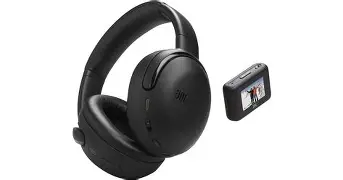
What makes the Tour One M3 especially interesting is that it does not rely on just one headline feature. Instead, it tries to win through versatility. It offers adaptive active noise cancellation, hi-res audio support over USB-C and LDAC, multipoint pairing, a deep companion app, and notably strong battery life. In some versions, it also includes JBL’s Smart Tx transmitter, a travel-friendly extra that gives the headphones a real-world edge for people who still deal with airplane entertainment systems or wired sources.
This is the truth about the Jbl Tour One M3: it is a very capable premium headphone with a lot to like, but it is not automatically the best choice for everyone. Its strengths are practical rather than flashy, and its weaknesses matter most when buyers expect class-leading luxury, absolute top-tier noise cancelling, or the most refined sound in the segment right out of the box.
Introduction: Who the Jbl Tour One M3 Is Really For
The Tour One M3 makes the most sense for buyers who want one pair of headphones to do nearly everything well. This includes frequent travelers, hybrid workers, students in noisy spaces, commuters, and listeners who jump between phones, laptops, tablets, and wired devices. It is built for the person who values convenience and consistency as much as raw audio performance.
In practical terms, that means the Tour One M3 is designed for long-haul listening. Battery life matters on a flight. Comfort matters during an all-day work session. Noise cancelling matters on trains, in open offices, and in coffee shops. Microphone quality matters when calls happen from less-than-ideal environments. Buyers in this category typically care less about studio purity and more about whether a headphone can fit cleanly into daily life without obvious compromises.
That is where the Tour One M3 is at its best. It aims to be a strong all-rounder rather than a niche specialist, and that approach will appeal to many mainstream premium buyers.
Detailed Review: Design, Sound, ANC, Comfort, and Everyday Use
Design and Build Quality
At first glance, the Jbl Tour One M3 looks clean, modern, and appropriately premium. It does not lean into flashy styling, which is generally a positive in this category. Many buyers want premium headphones that look mature enough for travel and work without drawing too much attention. JBL gets that balance right.
The materials and finish are good, though not necessarily category-leading. The headphones feel well assembled, but some rivals still project a more luxurious first impression. Buyers cross-shopping against the Apple AirPods Max or even some higher-end Sennheiser and Bowers & Wilkins models may find JBL’s design more functional than indulgent. That is not a dealbreaker, but it is worth noting for anyone who equates price with tactile luxury.
The fold-flat design and included case also matter. Premium wireless headphones are often used on the move, and the Tour One M3 feels purpose-built for travel. The controls are also designed around convenience, with a mix of physical and touch-based interaction depending on the configuration and settings.
Comfort for Long Sessions
Comfort is one of the strongest reasons to consider the Tour One M3. In real-world use, that matters more than many spec-sheet comparisons suggest. A headphone can sound excellent, but if it creates pressure hotspots after an hour or traps too much heat during long sessions, buyers will stop reaching for it.
The Tour One M3 is generally reported as lightweight and easy to wear for extended periods. The ear cushions are soft, the clamping force is sensible, and the headband distributes weight well enough for travel and office use. For people who wear headphones through full workdays, this is a major advantage.
There are still a couple of comfort caveats. Like many closed-back ANC headphones, the ear pads can become warm over time. Some users may also prefer slightly more premium-feeling padding or materials at this price. Even so, the broader picture is positive: this is a comfortable over-ear headphone that is built for hours, not just short listening sessions.
Sound Quality: Capable, Balanced, and More Flexible Than Exciting
The Tour One M3 does many things well sonically, but it is important to set expectations correctly. Buyers hoping for a dramatic, highly colored “wow” tuning may find it more restrained than expected out of the box. Buyers who value clarity, control, and adjustability will likely appreciate it more.
Its sound signature trends toward balanced consumer tuning with solid bass presence, clear mids, and respectable detail retrieval. Bass is there, but it generally does not overwhelm the rest of the mix. That is good news for listeners who move between genres such as pop, podcasts, electronic music, acoustic tracks, film scores, and calls. It keeps the presentation versatile.
Find top-rated Audio & Headphones products at great prices.
View Offers →The midrange is one of the more important strengths for everyday listening. Vocals, spoken content, and instruments tend to come through cleanly, making the Tour One M3 a strong option for mixed-use buyers who are not only listening to music. Treble is reasonably crisp, though it may become a bit sharp or edgy at higher volume depending on the recording and the listener’s sensitivity.
Perhaps the most important point is that JBL gives users tools to tailor the sound. The companion app includes detailed EQ controls, which means buyers who are willing to tune the headphone can often improve the stock profile to suit personal taste. That flexibility is valuable. A headphone with decent default tuning and excellent EQ options can be a better long-term buy than a headphone with fixed tuning that the listener cannot meaningfully adjust.
Still, it would be inaccurate to call the Tour One M3 the most naturally rich or most refined sounding option in the premium class. Some competitors offer a more spacious, lush, or effortlessly premium presentation. JBL’s approach is competent and practical, but not the final word in wireless headphone sound.
Active Noise Cancellation: Very Good, but Not Untouchable
Noise cancelling is one of the main reasons buyers spend premium money on over-ear wireless headphones, and the Tour One M3 performs well here. Its adaptive ANC system is effective against common low-frequency distractions such as plane cabin rumble, train noise, HVAC hum, and office background sound.
For frequent travelers and commuters, that translates into a calmer listening experience and lower temptation to raise volume excessively. For remote workers, it means fewer distractions during focus sessions or meetings. The transparency and ambient options also help when situational awareness is needed.
That said, the Tour One M3 does not appear to universally dominate the class. In many comparisons, Sony and Bose still hold the edge for absolute ANC performance, especially when dealing with more difficult, higher-frequency, or less predictable sounds. This matters, but it should be kept in perspective. The Tour One M3’s ANC is still strong enough for most people to consider it premium-tier. It is just not always the benchmark leader.
Shop the latest Audio & Headphones picks on Amazon.
Shop Amazon →For users taking calls from home offices, public spaces, or while traveling, that makes the Tour One M3 more attractive as a single do-it-all headset. Buyers who frequently switch between entertainment and productivity use are likely to value this balanced approach.
Pros and Cons
Pros
- Excellent comfort for long listening sessions, making it a strong choice for travel, office work, and extended daily use.
- Very strong battery life that reduces charging frequency and improves convenience.
- Effective adaptive ANC that handles most common travel and office noise well.
- Versatile connectivity with multipoint Bluetooth, USB-C audio, and LDAC support.
- Highly customizable sound thanks to robust EQ options in the companion app.
- Strong all-around performance for mixed use, including music, calls, commuting, and remote work.
- Smart Tx transmitter option adds real practical value for frequent travelers and wired-source users.
Cons
- Not always the absolute best ANC in the class when compared with top Sony or Bose rivals.
- Stock tuning may feel a little restrained for buyers wanting a more instantly exciting sound.
- Treble can become sharp at higher volumes depending on content and listener preference.
- Build feels premium but not class-leading luxurious compared with some higher-end competitors.
- Ear pads may get warm over long sessions, which is a common issue with closed-back ANC headphones.
- Price can feel ambitious if buyers do not need the travel-focused extra features.
Comparison Table: Where the Jbl Tour One M3 Fits
| Model | Best For | Key Strength | Main Trade-Off |
|---|---|---|---|
| Jbl Tour One M3 | Travelers, hybrid workers, buyers wanting a feature-rich all-rounder | Battery life, comfort, connectivity, customization | Not the most luxurious build or the absolute best ANC |
| Sony WH-1000XM5 | Buyers prioritizing top-tier ANC and polished mainstream tuning | Noise cancelling performance | Less unique travel utility than JBL’s Smart Tx approach |
| Bose QuietComfort Ultra | Users who want elite comfort and class-leading noise reduction | ANC refinement | Battery life and feature flexibility may be less compelling for some buyers |
| Sennheiser Momentum 4 | Listeners who care more about sound richness and musicality | More engaging audio for many listeners | May not feel as travel-specialized in feature set |
| Apple AirPods Max | Apple ecosystem users prioritizing integration and premium materials | Build quality and Apple-specific experience | Heavier design, weaker value proposition outside Apple devices |
Buying Guide: Should Buyers Choose the Jbl Tour One M3?
Buy It If Comfort and Battery Life Matter Most
Some headphones win comparisons in a store demo but become less appealing after a week of actual use. The Tour One M3 is the kind of model that may become more impressive over time because its practical strengths show up repeatedly. Long battery life and strong comfort are not glamorous talking points, but they directly shape ownership satisfaction.
If a buyer wears headphones for work, travel, study, or long evening sessions, the Tour One M3 deserves serious consideration.
Buy It If the Headphones Need to Work Across Multiple Devices
Many people no longer use headphones with just one source. They listen from a phone, take meetings on a laptop, switch to a tablet, and occasionally use wired systems while flying. That broader use case is where JBL’s connectivity strengths become more meaningful than small differences in raw sound quality.
Buyers who want convenience and flexibility will likely appreciate the Tour One M3 more than buyers who care only about pure listening performance in a quiet room.
Think Twice If Maximum ANC Is the Only Priority
If a buyer wants the strongest possible noise cancelling above everything else, it is wise to compare Sony and Bose directly before deciding. The Tour One M3 is very good, but “very good” and “the best available” are not always the same thing.
This is especially relevant for people who fly constantly, work in very noisy offices, or are highly sensitive to environmental distractions.
Think Twice If Buyers Want Luxury First and Features Second
Some shoppers in the premium segment want a headphone that feels unmistakably expensive the moment it is picked up. The Tour One M3 is well-made, but its appeal is more functional than indulgent. Buyers who prioritize design prestige, metal-heavy construction, or status-driven aesthetics may be drawn elsewhere.
Consider It Strongly for Travel
The Tour One M3 makes perhaps the strongest case as a travel headphone. Good ANC, strong comfort, excellent battery life, and optional Smart Tx support all line up around real travel pain points. That combination is more valuable than it first appears. For frequent flyers, the Tour One M3 solves problems that many premium headphones only address partially.
Verdict
The Jbl Tour One M3 is a smart, capable premium headphone that gets the fundamentals right and adds enough useful extras to feel distinct. Its biggest strengths are comfort, battery life, flexible connectivity, strong app control, and very good overall noise cancelling. It is especially well suited to people who want one dependable pair of headphones for work, travel, and everyday listening.
Its weaknesses are real but manageable. It does not always beat the category leaders in pure ANC performance, its stock tuning may not thrill every listener immediately, and it lacks some of the tactile luxury found in certain rivals. But taken as a complete package, the Tour One M3 is easy to respect.
The truth is that the Jbl Tour One M3 is not the most glamorous premium headphone, nor the most specialized. It is something more practical: an excellent all-rounder that fits how many people actually use headphones today. For buyers who value real-world usability over marketing drama, that may be the best verdict of all.